News & Insights
Custom Mini Digital Cameras for Promotional Programs
Sourcing custom mini digital cameras: kids cat-ear models, retro thumb cameras, VGA expectations, children's product compliance, MOQ, and factory checks.
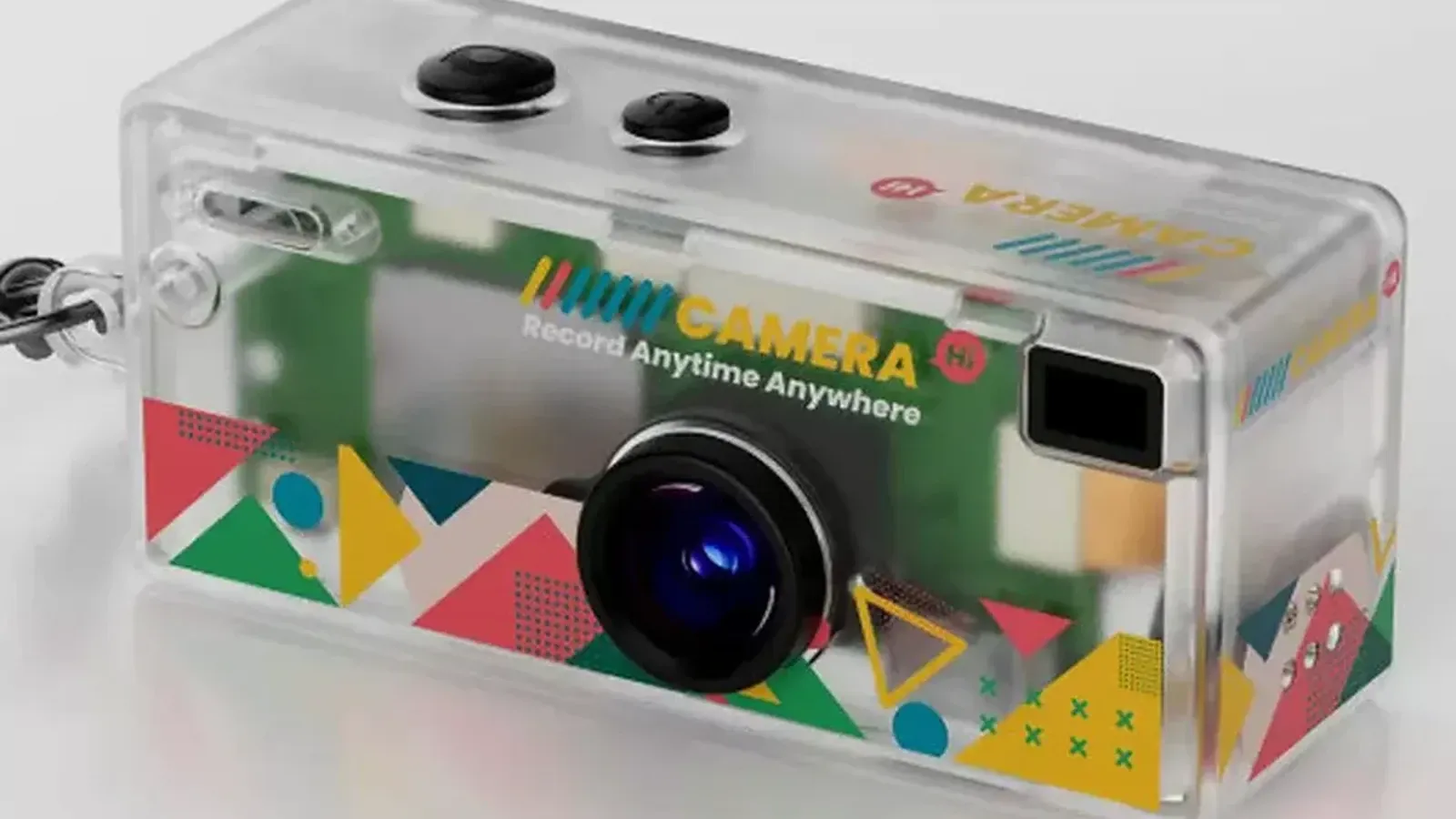
Mini digital cameras have quietly become one of the strongest volume stories in novelty tech. On public factory listings, a keychain-format retro mini camera shows more than 12,000 units sold at an approximate $3.60–$3.99, and a screenless retro model shows over 2,500 at roughly $18–$30. The Y2K-camera aesthetic is doing real numbers with younger buyers — and the promotional channel has barely noticed.
That last part is the opportunity. When we checked a leading US promotional catalog in October 2026, a search for kids cameras returned zero products and the closest toy-camera search returned one. Distributors looking for a novelty tech item that is not another speaker or cable have a genuine gap to fill — factory-direct, with the logo on the housing.
NIZE TECH builds two formats in Dongguan: a kids digital camera with a cat-ear design and a translucent retro thumb camera. This guide covers both, because the sourcing questions overlap and the answers differ in exactly one place: who the recipient is.
Two Formats, Two Audiences
The kids camera is built for children's programs: a cat-ear housing with a wrist strap, a 1.8-inch color LCD for framing and playback, and a MicroSD slot that accepts up to 32 GB. It suits family-brand campaigns, retail impulse shelves, school and community events, hotel kids clubs, and birthday-program merchandise.
The thumb camera is the adult version of the same nostalgia: a 58 × 25 × 21 mm pocket unit with a translucent shell, a keyring, and a 480P sensor. Sample units add color filters and a built-in fill light. It targets retro-collectible merchandise, festival and concert programs, brand collabs, and gift-with-purchase campaigns where the object matters as much as the function.
Both shoot VGA — 640 × 480, 0.3 megapixels. Say that plainly in your own marketing: these are fun-and-keep cameras in the Y2K aesthetic, not phone replacements. Programs that embrace the retro grain get delighted recipients; programs that promise modern photo quality do not.
What the Specs Mean for Your Program
Screen and playback. The kids camera's 1.8-inch TFT screen (128 × 160) lets children frame and review immediately — the toy value is in the loop of shoot-and-look. The thumb camera has no meaningful preview; it is point-and-shoot in the truest sense.
Storage. Both store to MicroSD (the kids camera supports up to 32 GB). Decide whether your program bundles a card — a small added cost that makes the gift work out of the box, and a natural place for a co-branded sticker.
Battery. The thumb camera runs a 150 mAh cell. Fine for a novelty shooting session; not a day-shooter. Set the same expectation with recipients.
Extras on the thumb camera. Color filters and a fill light ship on sample units, with the final configuration confirmed at sampling. Bluetooth transfer is available on request at similar cost, but it requires sample development — plan for it in the timeline if the brief needs it.
Carton math. The kids camera packs 80 pieces per carton; the thumb camera 200. Warehouse and freight estimates should use those numbers, not unit counts.
Branding and Customization
Housing color is the primary customization on both formats, followed by the logo method. On smooth shells, silk screen and UV printing carry the widest color range; on textured or translucent surfaces, plan a simpler one-color mark and ask for a proof on the actual housing.
Beyond the logo, the usual levers apply: custom packaging (the kids camera already ships in a retail-style box, 12 × 10.5 × 6 cm), accessories such as straps or lanyards, and for the thumb camera, the filter and fill-light configuration noted above. Custom tooling for a fully bespoke shell is possible but changes the MOQ and the timeline — treat it as its own project.
Children's Product Compliance — Read This Section Twice
A camera marketed to children is a children's product, and children's products carry stricter rules in most markets: CPSIA in the United States, EN71 in the European Union, and equivalent toy-safety frameworks elsewhere. Batteries, small parts, and materials all fall inside that scope.
The sourcing rule is simple: confirm the destination market's requirements with the supplier and request the test documentation for the specific unit — then verify the documents. Our factory supports documentation requests as part of the sampling process, and any serious supplier should. Do not skip this step because the unit looks like a toy; the compliance bar exists because the recipient is a child.
The thumb camera, aimed at adults, sits under general electronics rules instead — confirm the destination-market documents as with any consumer electronics order.
MOQ, Sampling, and Lead Times
Public factory listings for this category show minimums from 1 to 100 pieces depending on the model, with kids cameras spanning an approximate $0.99–$24.12 range across configurations. Our units follow the same logic: stock housings with printed logos start at accessible volumes; custom shells, colors, or electronics changes move the numbers. Treat all figures as typical industry ranges and confirm against your artwork and market.
Sampling is where the fun items get caught being cheap, so test with intent: shoot with the kids camera at a child's eye level, check the thumb camera's shutter lag and fill light, load a MicroSD card, and run the battery down once. Then decide.
Lead times run the standard chain — artwork, sample, production, freight — and tighten before Q1 trade show season and the Lunar New Year factory closure. Novelty categories spike hardest in the run-up to holidays; book early for Q4 programs.
Quality Checks Before Bulk
Shutter-to-save loop — shoot ten frames and confirm each saves to the MicroSD card.
Screen and buttons — the kids camera's LCD and controls take the most abuse; cycle them.
Battery run-down — full charge to empty, timed.
Housing stress — wrist strap anchors, shell seams, and the translucent shell's clips.
Logo durability — rub and alcohol-wipe the printed mark.
Small-parts review — for the kids format, confirm the small-parts assessment against your market's children's product rules.
Packaging drop — retail boxes get thrown; test the carton, not just the unit.
FAQ
Are 0.3 megapixels enough for a promotional camera?
For the purpose, yes — these are nostalgia and fun-first gadgets in the Y2K aesthetic, and the low resolution is part of the charm. They are not phone replacements, and the marketing should not claim they are.
What is a typical MOQ for custom mini cameras?
Stock models with printed logos can start at low volumes; custom shells or electronics changes push minimums higher. Public listings in the category range from 1 to 100 pieces depending on the model. Confirm with the supplier against your artwork.
Is the kids camera compliant for children?
It is built for children's gift programs, and the destination market decides the paperwork: CPSIA in the US, EN71 in the EU, and equivalents elsewhere. Request the test documents for the specific unit during sampling and verify them before bulk production.
Can we customize the camera software or add features like Bluetooth?
On the thumb camera, Bluetooth transfer and a custom power-effect filter are available on request at similar cost, with sample development required. Lead time expands accordingly — plan it into the sampling phase.
Planning the Program
Mini cameras pair naturally with the rest of a tech gift set — a 5W mini Bluetooth speaker for family programs, or a card-sized travel cable kit for event bundles — and illuminated branding is a separate lever entirely; see our guide to light-up logo promotional products.
Send your artwork, destination market, and quantity through the contact form or message us on WhatsApp at +86 134 8092 2724 for a quote, compliance documents, and a sampling schedule.